


Year 6 – Friday 8th May
A Fantastic Week of Preparation
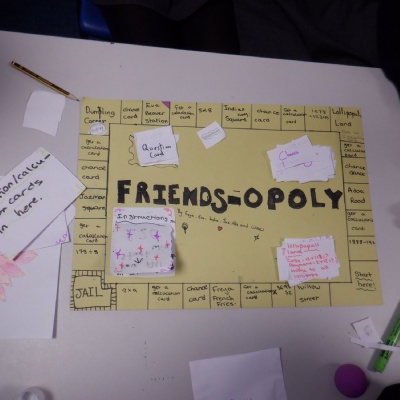
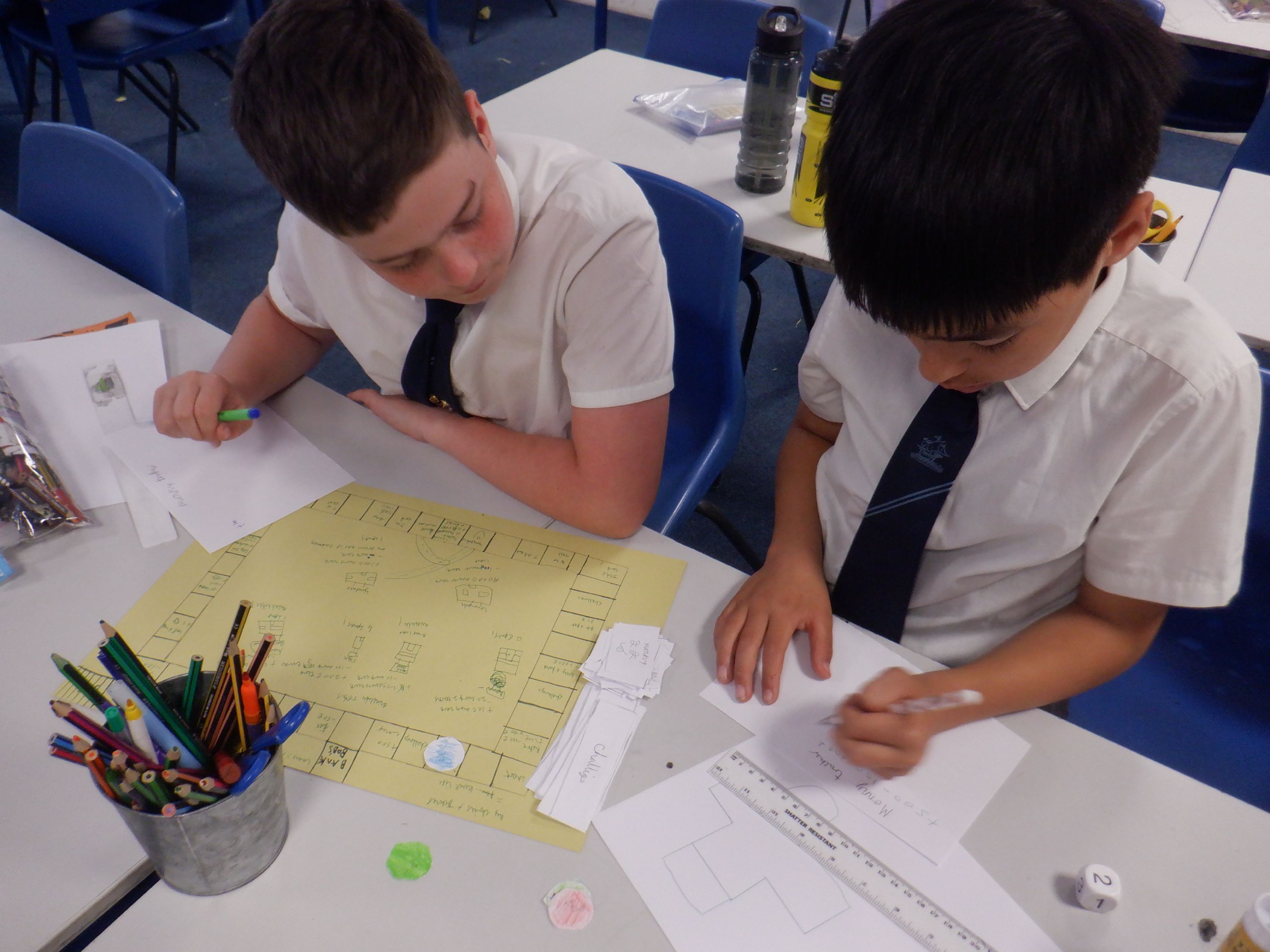
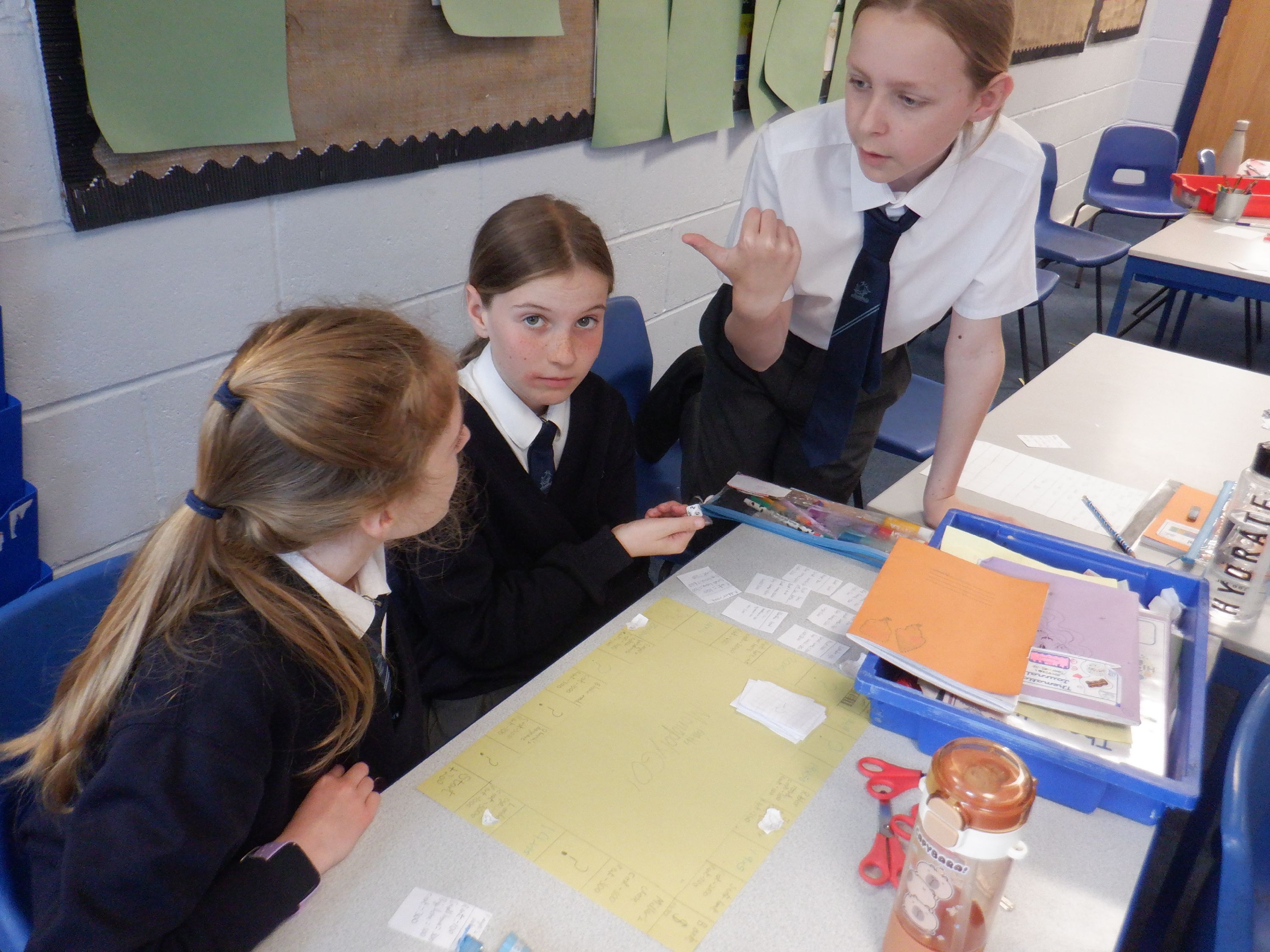
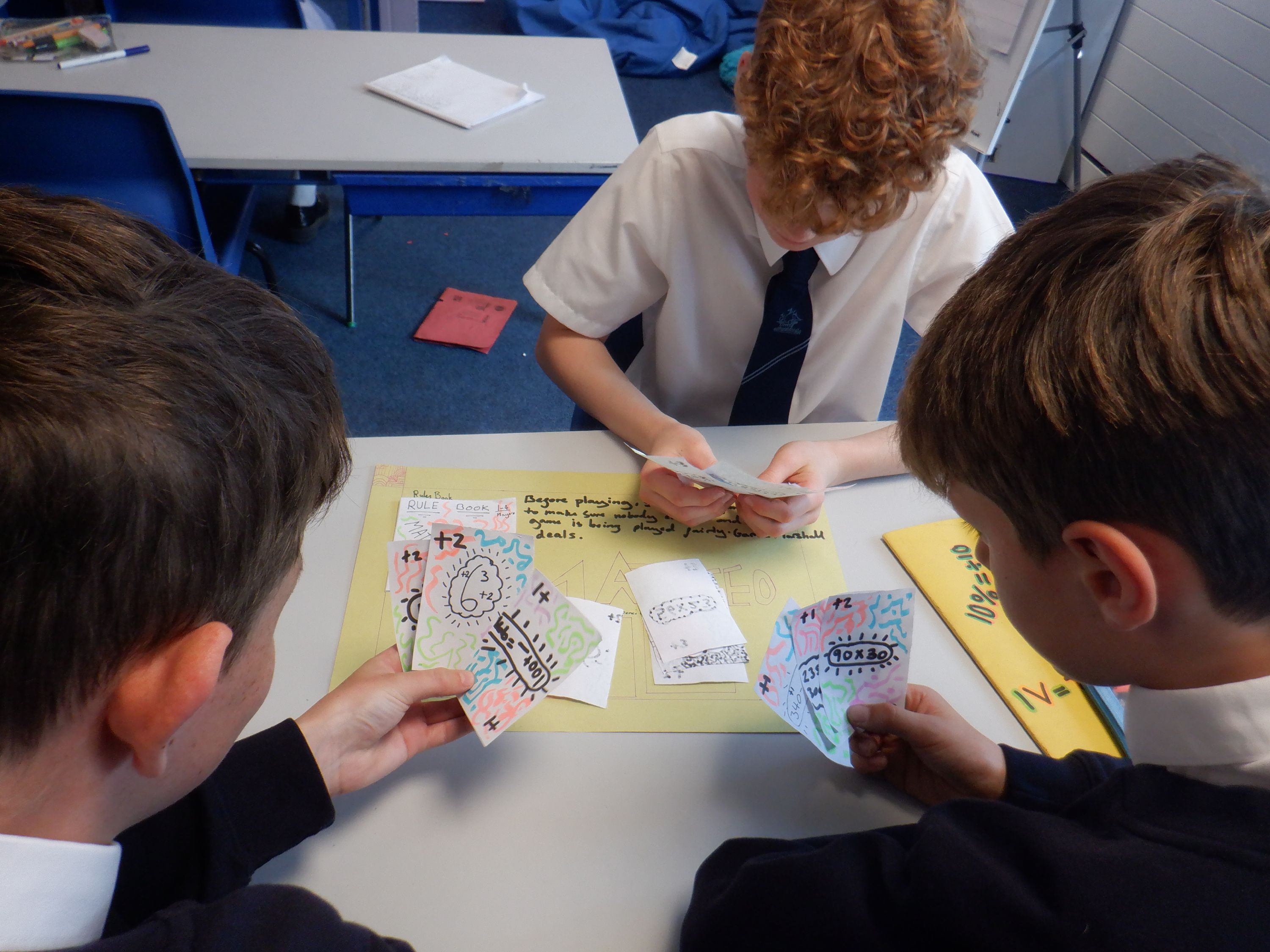
Our four‑day week has been filled with a wide range of revision activities, both in and out of the classroom. From Pokémon hunts to board games, the children have approached everything with enthusiasm and focus.
They have worked fantastically throughout the week, clearly demonstrating our Upton core values of resilience and aspiration. We are incredibly proud of their attitude and effort.
A reminder that the Year 6 SATs breakfast will continue from Monday to Thursday. Children are welcome to arrive between 8:00–8:10am, entering via the swimming pool entrance and heading straight to the hall. The SATs test will commence Monday morning and will finish Thursday.
What are the KS2 SATs?
SATs (Standardised Assessment Tests) are taken at the end of Key Stage 2 and help to assess children’s attainment in reading, writing, spelling, punctuation, grammar and mathematics.
When Do SATs Take Place?
SATs will take place over four days, from Monday 11th May to Thursday 14th May.
The SATs Papers
- Monday 11th May
- Grammar, Punctuation and Spelling – Paper 1 (GPS)
- Grammar, Punctuation and Spelling – Paper 2 (Spelling)
- Tuesday 12th May
- Reading
- Wednesday 13th May
- Maths – Paper 1 (Arithmetic)
- Maths – Paper 2 (Reasoning)
- Thursday 14th May
- Maths – Paper 3 (Reasoning)
Please note: Writing is assessed using evidence gathered throughout Year 6. There is no separate SATs writing test.
How Do the Tests Work?
- Tests take place during normal school hours and are completed under exam conditions.
- Once assessments begin, children must not talk until the papers are collected.
- After completion, all papers are sent away to be marked externally.
- Results are returned to school in July.
Time Allowed for Each Test
- GPS – Paper 1 (Grammar & Punctuation): 45 minutes
- GPS – Paper 2 (Spelling): 15 minutes
- Reading: 60 minutes
- Maths – Paper 1 (Arithmetic): 30 minutes
- Maths – Paper 2 (Reasoning): 40 minutes
- Maths – Paper 3 (Reasoning): 40 minutes
Understanding the Results
Once marked, each test receives:
- A raw score (total marks achieved)
- A scaled score
- A judgement stating whether the National Standard has been met
Scaled scores range from 80 to 120.
A score of 100 or more indicates that a child is working at the National Standard.
Scaled scores are used to ensure fairness, as test difficulty can vary slightly from year to year.
Homework and How You Can Help at Home
To help keep learning fresh:
- Regular Times Tables Rock Stars (TTRS) sessions are strongly encouraged
- Children can also practise maths through the BBC Bitesize game:Guardians: Defenders of Mathematica
Daily reading is also extremely beneficial. After reading, ask your child simple comprehension questions such as:
- Who is involved?
- Where is it set?
- When does it take place?
- What has happened?
These discussions help children to summarise, question and deepen their understanding of what they read.
Homework Reminders
- Reading: Please read with your child at least three times a week.
- Accelerated Reader: Children should choose books within their ZPD range and complete a quiz after finishing each book (in school or at home).
- Times Tables: TTRS at least three times a week.
- Mathletics: This week’s task is set and due Friday.
- Spellings: Choose 10 spellings each week and practise using the strategies shown in their spelling journal.
Thank you, as always, for your continued support.
Have a wonderful long weekend!
The Year 6 Team